
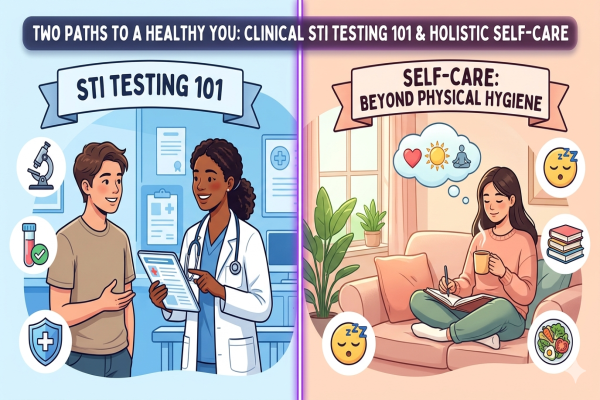
Table of Content for STI Testing 101

Introduction
Maintaining sexual wellness is a fundamental aspect of overall health, yet many individuals feel hesitant or unsure about the screening process. Whether entering a new relationship or simply remaining proactive, understanding STI Testing 101 is the first step toward long-term peace of mind. Although the idea of testing might seem daunting at first, modern healthcare has made the process faster, more private, and more accessible than ever before. This solution-based guide will walk through what to expect, how to prepare, and why choosing professional clinical resources is vital for your health journey.
Why Regular STI Testing 101 is Essential
Many sexually transmitted infections (STIs) are considered “silent,” because they often show no visible symptoms for extended periods. Consequently, waiting for physical signs of discomfort is often a mistake that can lead to complications such as chronic pain or reproductive issues. Furthermore, by prioritizing STI Testing 101, individuals take active control of their health and help protect their partners from unintended exposure.

- Early Detection: Identifying an infection early usually makes the management and treatment process significantly more effective.
- Asymptomatic Awareness: Regular testing prevents the accidental spread of an infection to others when no symptoms are present.
- Peace of Mind: Understanding one’s status eliminates the anxiety of uncertainty and fosters a more confident approach to intimacy.
What to Expect During an STI Testing 101 Appointment
When visiting a healthcare provider for STI Testing 101, the process is typically organized into three simple stages: the consultation, sample collection, and receiving results. Because medical professionals handle these screenings routinely, there is no need for embarrassment; their role is to provide care and guidance.
- The Consultation: A provider will generally ask about health history and any specific concerns. Being honest during this phase helps the professional determine which specific tests are necessary.
- Sample Collection: Depending on the specific screening, a provider may request a urine sample, a blood draw, or a gentle swab of specific areas.
- The Wait: Timelines for results vary. While some rapid tests provide answers in under an hour, other comprehensive panels are processed in a laboratory over a few business days.
Essential Preparation for Your Sexual Health Check-up
To ensure that STI Testing 101 results are as accurate as possible, it is helpful to follow these standard preparation steps:
- Hydration and Timing: If a urine sample is expected, it is often recommended to avoid urinating for at least one hour before the appointment.
- Avoid Interference: For certain types of swabs, avoiding the use of topical creams or specialized hygiene products for 24 hours prior can help maintain sample integrity.
- Understand the Window Period: It is important to remember that infections have a “window period” before they are detectable. Testing too soon after a potential exposure may yield a false negative.
Solution: Professional Care and Discreet Clinical Resources
While the internet offers various options for health monitoring, the most reliable solution for STI Testing 101 remains a visit to a certified medical professional. For those who prioritize privacy, many reputable healthcare organizations now offer at-home collection kits available on Amazon like Everlywell Sexual Health Test (Male or Female), STD Hero At-Home. These kits allow for discreet sample collection that is then sent to a certified laboratory for analysis. Utilizing a comprehensive option like the At-Home STI Test Kit on Amazon ensures that samples are handled under strict standards and provides a comfortable starting point for a wellness journey.
How to Talk to Partners About STI Testing 101
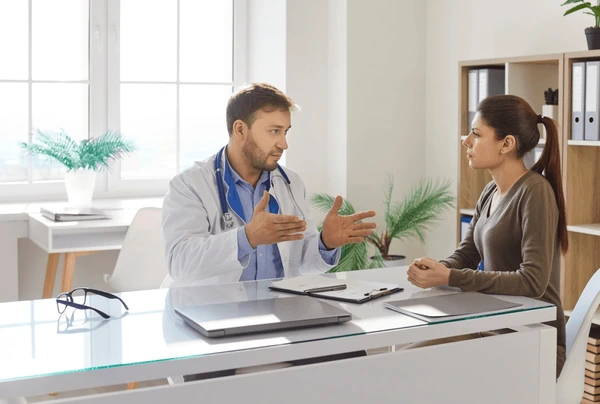
Communication is a vital component of the STI Testing 101 process. Although these conversations can feel awkward initially, framing the discussion around mutual health and safety makes it much easier. For instance, one might suggest that both partners get tested together as a routine part of starting a new chapter. This approach normalizes the procedure and ensures that everyone involved remains informed and healthy.
By following this STI Testing 101 roadmap, a potentially stressful event is transformed into a routine act of self-care. Health is a valuable asset, and taking proactive steps to protect it is a sign of maturity and responsibility.
Frequently Asked Questions
Q1: How often should I get tested for STIs?
A: If you are sexually active, it is generally recommended to get tested at least once a year. However, if you have multiple partners or are starting a new relationship, you should consider STI Testing 101 every 3 to 6 months.
Q2: Are STI tests 100% accurate immediately after exposure?
A: Not necessarily. Most infections have a “window period”—the time it takes for an infection to show up on a test. For accuracy, it is often best to wait 2 to 4 weeks after a potential exposure before undergoing STI Testing 101.
Q3: Can I get tested for STIs at home?
A: Yes, there are many reliable at-home kits available. These allow you to collect a sample privately and mail it to a certified lab. However, for a definitive diagnosis and treatment plan, a clinical visit is always the gold standard.
Q4: Will my insurance cover STI testing?
A: Most health insurance plans cover preventive screenings like STI Testing 101 at little to no cost. It is always a good idea to check with your provider beforehand.
This article is for informational purposes only. For medical advice or diagnosis, consult a professional.
📢 Affiliate Disclosure: This post may contain affiliate links. If you purchase through these links, we may earn a commission at no additional cost to you.
Published by: Health and Care99
Follow us on other platforms
